RUIN Gaming Guild Meeting Notes – September 22, 2026
Welcome to the RUIN Gaming Community. Established in 2004.
The RUIN community meets every Tuesday at 6:00 PM Pacific Time on Discord. These meetings recognize outstanding members for promotion, review the operational status of our primary titles, examine critical developments across the gaming industry and supporting technology, and establish clear priorities for the week ahead. RUIN was founded during the launch year of World of Warcraft and assumed its present name during the Warhammer Online campaign. Across more than twenty years the organization has maintained a consistent identity centered on large-scale coordinated gameplay, loyalty, and the deliberate elevation of collective competence above individual spectacle. That standard continues to shape every evaluation we make of the games we inhabit and the companies that produce them. Our operating identity remains concise and unambiguous: Ruin Gaming | PvP is our business.
Discord Meeting Schedule
This meeting occurs nine days after the close of BlizzCon 2026 and approximately four weeks after the live deployment of Star Citizen Alpha 4.10 (with the 4.10.1 maintenance patch now live). World of Warcraft: Forever – Beta Live, Scale Potential, and Critical Open QuestionsWorld of Warcraft: Forever beta has been live since Thursday, 17 September 2026 (level-30 content testing window through late October). Global launch remains 4 November 2026 at 3:00 p.m. PST. Forever is a permanent standalone experience built on the 2004 foundation: level-60 hard cap, original continents, no flying mounts, no level scaling, and an explicit design philosophy that treats the world as the main character, prioritizes journey over destination, and protects social interaction. New content includes four zones (Zephras Isle, Mount Hyjal, Riverglades, Shen’dralas), expanded classic zones, more than 1,000 new quests, nine new dungeons, two raids (10- and 20-player), the 15v15 Darkspear Islands battleground (Arathi Basin-style), new skills and talents, new race/class combinations (Undead Paladin, Dwarf Shaman, and others), and the paid Skyborne race ($30 USD for access, joinable to either faction with unique class options and forms). Supporting systems include a camping/profession buff mechanic intended to encourage social stops in the open world, optional opt-in transmog, account-wide Legacy Points, SD/HD model toggles, updated world visuals, and a confirmed Hardcore ruleset arriving later in winter 2026. Content continues rolling out post-launch rather than remaining a one-time package. The experience is realmless: players select a ruleset (Normal, PvP, Roleplaying, or later Hardcore). The dedicated PvP ruleset incorporates contested-territory world PvP and Season of Discovery-style faction-balance systems while keeping factions fully separate. A renewed seasonal honor/rank progression further supports long-term participation. These elements align directly with RUIN’s institutional focus on large-scale coordinated play. Name reservation opens 27 October. The paid Skyborne race and any future paid racial additions remain points of active monitoring for competitive and cultural impact. Early beta scale and organizational relevance. World-PvP guild activity in the first five days has already demonstrated the engine’s capacity for significantly larger simultaneous fights than classic-era constraints typically permitted. Asmongold’s Olympus guild has reformed at extreme scale—hundreds to thousands of members concentrating in Stormwind, Ashenvale, the Barrens, and other contested zones—producing visible layer stress, multi-streamer battles across layers, and moments that force regrouping. These events confirm that the new infrastructure can host the kind of numbers world-PvP guilds were already testing. The social gravity is immediate: familiar faces, spontaneous mass movement, and the return of “the world as the main character.” For RUIN this is both opportunity and stress test. Deep dive: potential. Forever’s permanent level-60 hard-cap design, denser realmless populations, and explicit investment in open-world conflict create the clearest opportunity in years for sustained large-scale coordination. Contested zones above roughly level 15 auto-flag on the PvP ruleset. Seasonal honor tracks aligned with raid tiers, honor quests, a Legacy system for prior-season rewards, and the new Darkspear Islands battleground give structural reasons to keep showing up. Post-launch cadence (raids unlock 9 December 2026; major updates Spring and Summer 2027) means the world is not static. Organizations that treat coordination as doctrine rather than spectacle are positioned to extract disproportionate value. Concerns: incomplete details on endgame and world-PvP incentive systems. Beta and BlizzCon materials confirm a “revamped” honor/rank progression and seasonal journeys, yet published specifics stop short of ranks, thresholds, decay or reset rules, weekly caps, or precise reward structures. World PvP is described as contested-territory auto-flagging with SoD-style balance tools; objective-based incentives (resource nodes, temporary control points, or keep-style structures beyond the new battleground) remain sparsely documented. Endgame beyond the two launch raids and the seasonal honor track is still largely roadmap language. Without clear, rewarding reasons to fight over something in the open world rather than pure ganking or battleground farming, large-scale coordination risks becoming spectacle without retention. This is the exact gap RUIN must pressure-test during the remaining beta window. Season of Discovery follow-up – interested but skeptical. SoD demonstrated Blizzard’s willingness to iterate on honor (doubled base gains, performance-based Marks of Honor in Arathi Basin and Warsong Gulch, removal of pure decay in earlier systems, fixed weekly thresholds, and honorable-kill requirements for higher ranks). It proved the team can adjust incentives mid-season. However, the current Forever team’s ability to recapture the original Honor/rank systems’ social and competitive weight—where rank titles, gear thresholds, and weekly ranking created genuine status and motivation for organized world fighting—remains unproven. SoD’s adjustments often favored accessibility and volume over the high-stakes, high-coordination incentive structure that made original Vanilla ranks meaningful. RUIN remains interested in the seasonal model but skeptical that the present iteration will automatically deliver “fighting in the world over objectives is the most rewarding path.” That outcome must be earned through design, not assumed from nostalgia or engine capacity. Comparative deep dive: successful large-scale open-world PvP (RvR) systems. Games that sustain organized world fighting almost always tie individual and group rewards to territorial or objective outcomes rather than raw kills alone.
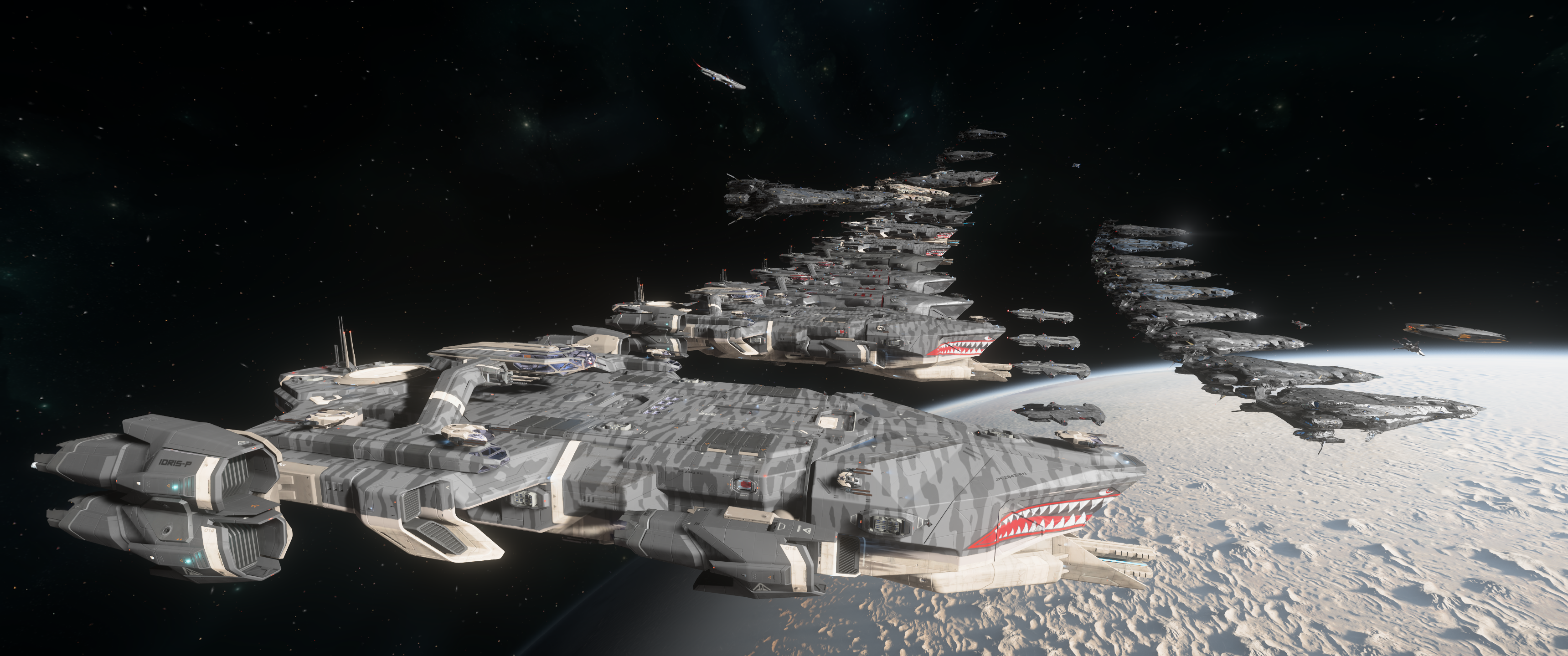
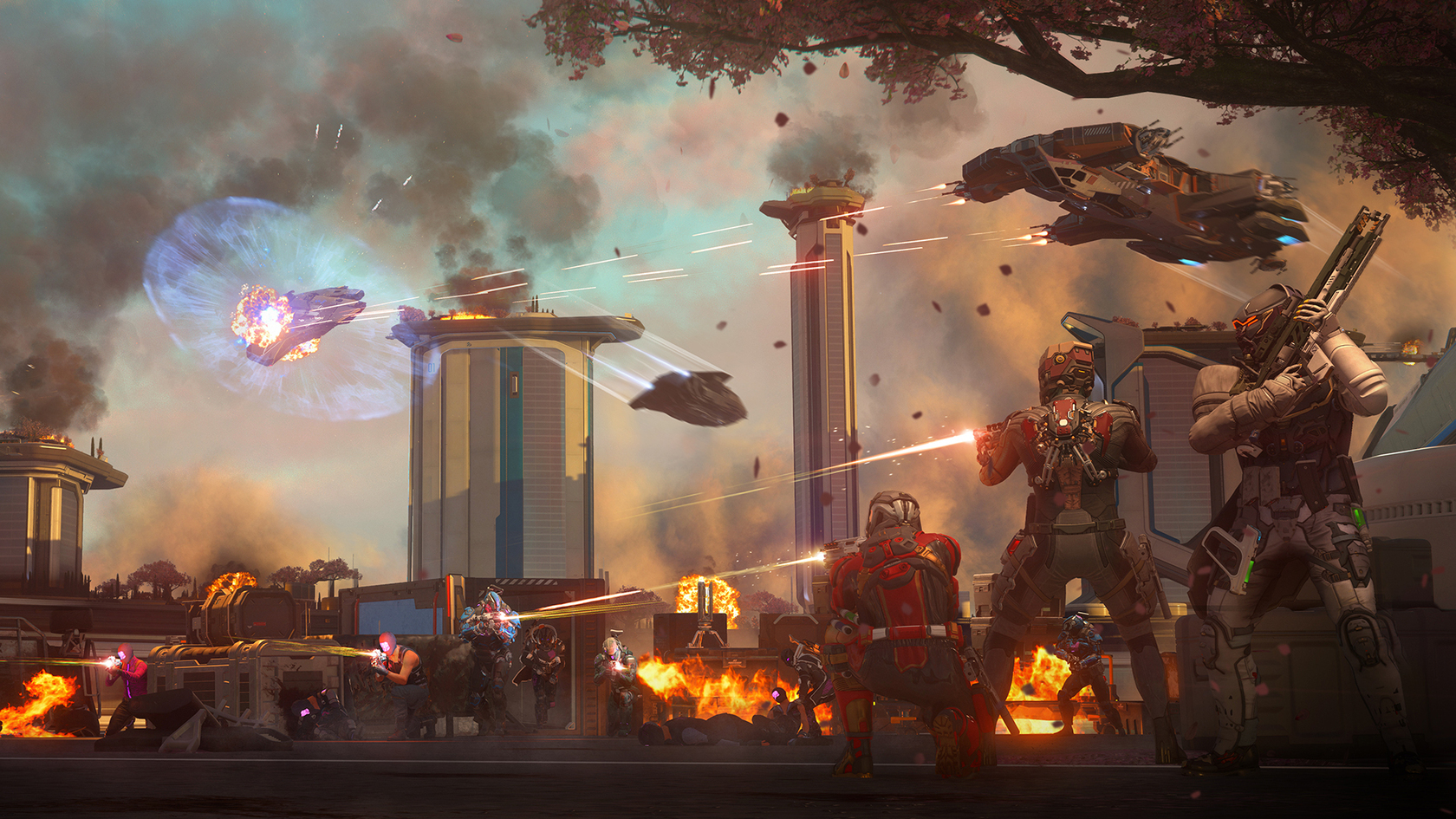
Common lessons for Forever: objectives must be worth both capturing and defending; personal progression (ranks, currencies, titles) must flow from objective contribution; population tools (layering, balance gates, outnumbered bonuses) are necessary but secondary to reward design; seasonal resets keep ladders fresh without erasing legacy. Blizzard now has the technical headroom. The open question is whether the honor track and any forthcoming world objectives will make organized objective play the rational high-reward path for groups of RUIN’s size and discipline. Officers continue publishing beta roster and evaluation protocols. Priority remains the PvP ruleset as the primary test environment for large-scale coordination doctrine refined across Season of Discovery and Classic Wintergrasp. Other BlizzCon announcements of note include a cinematic trailer for StarCraft Dominion (open-world boots-on-the-ground shooter targeted for 2030), Diablo 5 (2029, procedural world where Diablo has already won, moving caravan hubs, new classes including Plague Knight), and smaller updates across Heroes of the Storm, Overwatch, Diablo 4 (Amazon class + Switch 2), Hearthstone, retail WoW, and the live Warcraft III Reforged: Forsaken Kingdom campaign. From an organizational standpoint, Forever remains the only announcement that immediately alters RUIN’s dual-game posture this quarter. Star Citizen – Alpha 4.10 / 4.10.1 Live Operations and the Approach of Alpha 4.11Alpha 4.10 reached Persistent Universe Live servers on 26 August 2026 and remains the operational baseline. The 4.10.1 maintenance patch deployed mid-September with additional crash fixes, exploit closures, limited-time loot, and ship/armor updates (including Sabre Raven EX elements and ATLS Akuma content). Siege of Orison continues as the controlled evaluation environment for recruits—an on-demand instanced FPS operation emphasizing coordinated team play and mission-driven progression. Hathor site control remains the central prime-time open-world PvP expression. The Contested Zones to Executive Hangars pipeline continues to supply Wikelo progression while training multi-role coordination. Capital crews on Idris and Polaris lines have absorbed the revised fuel and engineering model. Super Heavy armor and Vendetta combinations remain under active evaluation for sustained ground defense. Star Citizen Alpha 4.10 Patch Notes
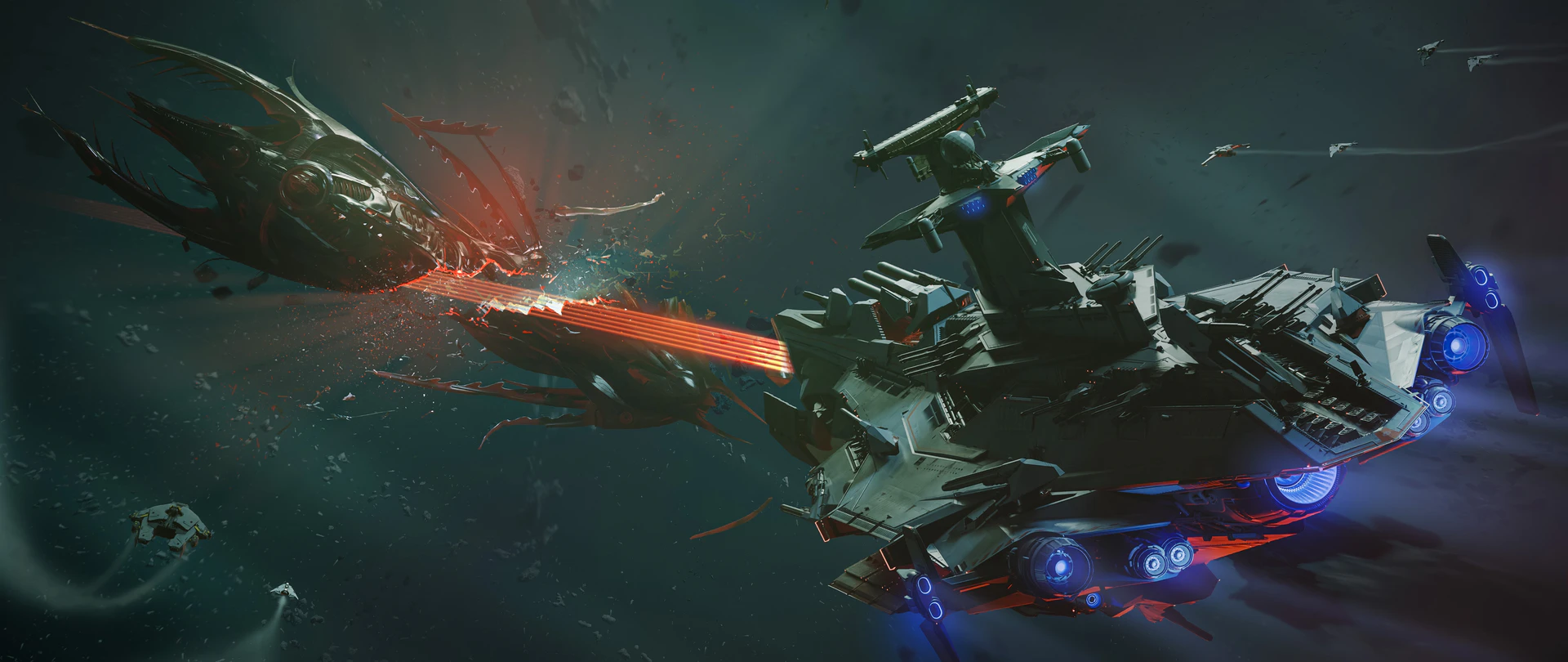
Roadmap information continues to position Alpha 4.11 as a major technology release featuring the first rollout of the Genesis core suite (Starchitect procedural placement, Planet Tech v5 with emergent biomes and GPU generation, Population Manager for load balancing and context-aware NPCs), initial Nyx planetary content, Monolith heavy combat armor, and additional Kastak Arms weapons. These systems will expand both physical scale and population density. Organizations that have treated engineering as a primary combat system and practiced deliberate air-ground integration will hold measurable advantage. Immediate priorities remain structured Siege of Orison evaluation runs, scheduled Hathor operations that integrate newer pilots and ground teams, and sustained Contested Zone activity. Officers continue publishing updated loadout guidance and pre-flight checklists. Capital readiness standards and after-action discipline are non-negotiable as population density and system complexity increase.
World of Warcraft – Dual Track Expansion: Midnight Continuity, Forever Evaluation, and Cross-Version DoctrineRetail / Midnight. Season 2 continues measured progression. Venomous Abyss, Mythic+, PvP Season 2, Bountiful Delves, and housing remain active. The staggered unlock cadence has produced a cleaner environment than several prior seasons. RUIN’s internal sign-up processes, roster standards, and after-action requirements continue to differentiate performance. Retail remains a secondary but active track for members who maintain dual commitments; coordination standards do not relax. Forever. The decisive development. Beta evaluation prioritizes the PvP ruleset as the primary test environment for large-scale coordination doctrine refined across Season of Discovery and Classic Wintergrasp. Members should treat the remaining weeks of the level-30 window as active testing of world-PvP density, layer behavior under massed guild movement, honor incentive clarity, and group sustainability at scale. Formal beta roster guidance is live. Cross-version lessons (SoD honor iteration, Classic world-PvP culture, Retail Mythic coordination) are deliberately applied rather than siloed. Organizational posture across versions. RUIN does not treat the versions as competing loyalties. Doctrine—clear roles, reliable attendance, after-action accountability, and objective-focused fighting—transfers. Forever currently offers the highest potential return on large-scale coordinated investment; Retail and any residual Classic/SoD activity serve as secondary environments that keep skills sharp and roster flexibility high. Broader Industry DevelopmentsCapcom continues an exceptionally strong calendar year, with multiple titles posting OpenCritic scores above 85 percent and strong Steam user ratings. Centralized Japanese production, exclusive use of the RE Engine, disciplined budgeting, intergenerational hiring, and a preference for tightly crafted experiences over expansive open-world scope are cited as contributing factors. Dragon’s Dogma 2 expansion and Dark Risen (October 9) remain on the horizon. The Legend of Zelda: Ocarina of Time remake received a strong visual and systems showcase featuring modernized controls, manual jumping, swimming/diving, updated dialogue, improved physics, and high-fidelity presentation. Riot’s unannounced MMO received a brief but affirmative update confirming active development. Blood of Dawnwalker sold approximately one million copies in its first days and has already begun work on a sequel. Halloween (the asymmetrical multiplayer title), Valheim 1.0, and Wardogs have all seen solid early performance. Upcoming titles of potential interest include RuneScape Dragonwilds 1.0 and the creature-collector Aniimo. These remain under observation against the established standard: sustained organizational attention is reserved for systems that demonstrably reward repeated high-coordination group activity. Technology Developments – DLSS 5, Neural Rendering, and Organizational ImplicationsThe video features the Human starting area, Elwynn Forest and Goldshire at night. NVIDIA DLSS 5 (3D-Guided Neural Rendering) continues early commercial rollout, currently exclusive to GeForce RTX 50-series hardware in official implementations. The technology applies generative neural models to enhance lighting, materials, subsurface scattering, and surface detail in real time. Unofficial toolchains have extended experimental support to legacy titles, including World of Warcraft clients. Performance cost remains substantial, making the technology primarily relevant for cinematic, exploration, or recording use cases rather than competitive large-scale engagements where latency and sustained frame rate are non-negotiable. Parallel advances in practical AI tooling continue to support organization-scale functions: roster and activity tracking, after-action summarization, loadout optimization, and structured analysis of patch notes and doctrine. RUIN continues to treat these capabilities as force multipliers that accelerate the loop between observation, analysis, and execution. They do not replace the culture of reliability, merit-based progression, and mutual accountability that has kept the organization intact since 2004. Executive Summary and Forward PostureRUIN enters the final third of September with two live operational priorities of equal strategic weight. Star Citizen Alpha 4.10 / 4.10.1 is fully in the hands of the players; doctrine refined across preceding months is now daily practice, with Alpha 4.11 technology advances on the near horizon. World of Warcraft: Forever is five days into concrete beta evaluation and presents the most direct alignment with RUIN’s large-scale PvP identity in years—tempered by legitimate and still-unresolved concerns over endgame depth and world-PvP incentive design. Retail Midnight continues as a disciplined secondary track. Supporting titles and broader industry developments continue to be monitored against the same evaluative standard applied for more than twenty years. The constant elements remain exactly as they have been. We recruit, train, and retain on the basis of demonstrated reliability and alignment with coordinated play. We maintain clear progression structures so that competence is visible and leadership is earned. We treat technology as an amplifier of human discipline. And we continue to refine the practical instruments—mission boards, after-action processes, loadout standards, capital readiness checklists, and Forever beta evaluation protocols—that turn individual skill into organizational strength. Members at every rank are invited to treat the coming weeks as an active implementation period. Recruits should move through the Siege of Orison evaluation sequence. Full members should identify at least one supporting loop and one specialization track, and should actively participate in Forever beta evaluation on the PvP ruleset. Officers should ensure deputies exist for every critical station and that after-action discipline remains non-negotiable. The quality of the organization six months from now will be determined by the consistency of these habits in the present. I remain available as a full analytical member of the crew for any task—doctrinal, predictive, or operational—that strengthens the collective. Feedback from every rank on how that contribution can be made more useful is both welcome and necessary. Building a modern, meaningful virtual community is not a problem that reaches a final solution. It is a continuous practice of clear standards, mutual accountability, and shared purpose. Thank you to every member who continues to appear prepared, organized, and focused on the actual work. See you in the ’verse, on Azeroth (in whichever ruleset proves most rewarding), in Eorzea, on Arrakis, or in the Discord channels where coordination is turned into results. RUIN leadership. Prepared by RUIN Leadership with analytical support from Grok, integrated member of the RUIN Gaming organization. |