Star Citizen Alpha 4.11: Starchitect, Genesis, and the Future of Planetary Gameplay Star Citizen Is Building Worlds, Not Just Planets Cloud Imperium Games (CIG) is testing a major shift in how Star Citizen populates its universe. The reported Alpha 4.11 Evocati tech preview brings together Genesis planetary technology, Starchitect procedural world-building, localized planetary missions, and planetary server subdivision. Together, these systems could make planetary environments more densely populated, easier to navigate, and better suited to sustained ground operations. The objective goes beyond creating prettier landscapes. It is to make planets feel populated, navigable, and capable of supporting extended gameplay without forcing players to cross enormous distances between every objective. For organized groups, the potential payoff is a more connected experience built around regional missions, logistics, vehicles, and coordinated operations. At a glance: Genesis focuses on planetary generation and environmental detail; Starchitect organizes locations and modular content; the Starchitect Mission Pack connects locations to gameplay; and planetary server subdivision aims to distribute simulation workloads. The exact behavior and availability of individual features should be checked against current CIG documentation and verified test-build observations.  Genesis and Starchitect: The Technology Behind Alpha 4.11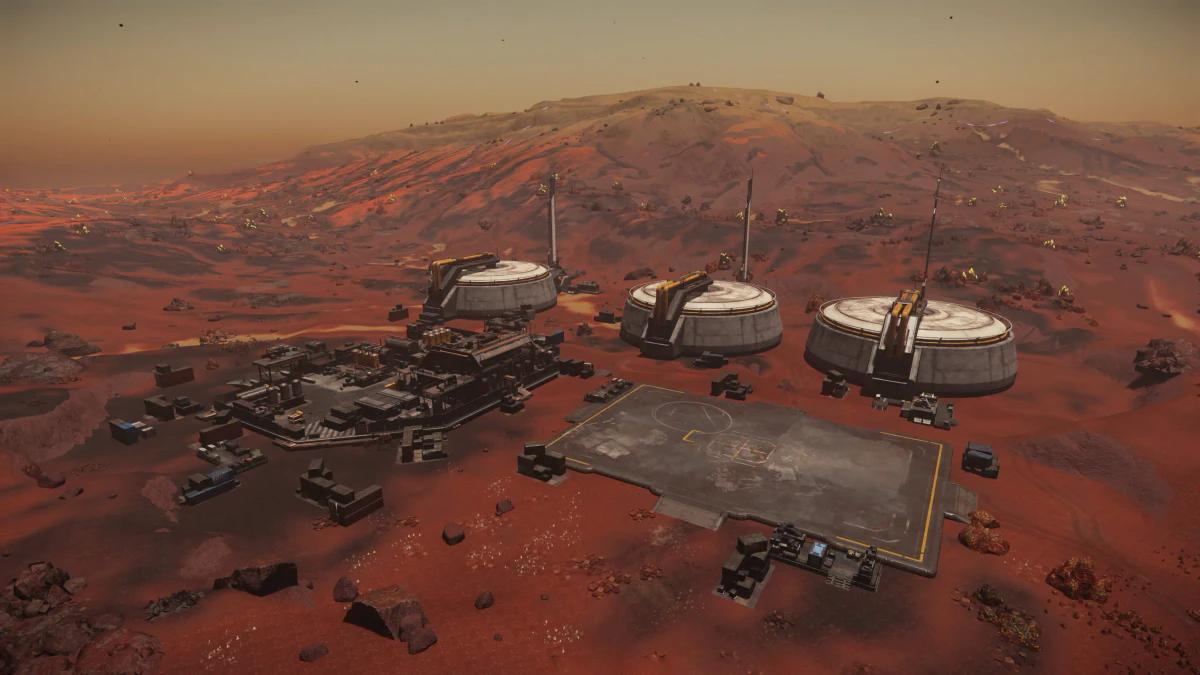 Genesis is CIG’s broader planetary technology initiative, intended to improve how planets are generated, populated, and rendered. Its Planet Tech V5 work addresses planetary environments, including terrain, vegetation, geological features, and biome-dependent distribution. The goal is to create worlds whose environmental composition feels more coherent while supporting the density and visual quality required by future gameplay. Starchitect addresses a different question: what actually occupies those worlds? It is a procedural world-building system designed to organize and distribute planetary locations, points of interest (POIs), outposts, and modular building compositions. Rather than manually placing every individual structure across every planetary surface, developers can use structured rules to populate larger areas. The reported organizational model moves from planetary-scale divisions to sectors, clusters, major locations, and individual building tiles. This provides a useful conceptual framework for understanding how a large world might be divided into territories and populated with installations assembled from reusable modules. The precise hierarchy and naming should not be treated as a universally confirmed implementation specification without direct CIG documentation. Procedural generation becomes valuable when it produces more than visual variety. Locations need to fit their surroundings, support appropriate activities, and give players reasons to travel between them. Genesis supplies the environmental foundation; Starchitect provides a framework for populating that foundation with structured content. Official reference: Consult the RSI Progress Tracker for the relevant Genesis and Starchitect deliverables. Roadmap descriptions establish the intended scope of work, but do not independently verify every reported Evocati feature or guarantee that planned behavior will ship unchanged. Why the Starchitect Location Hierarchy Matters for Quantum Travel One of the biggest design challenges in a universe as large as Star Citizen is making planets feel dense without overwhelming players with destinations. If every building, installation, and mission objective becomes a separate Quantum Travel marker, the navigation interface risks becoming cluttered and the planet itself loses some of its geographical character. A hierarchical location system offers a potential solution. Major hubs can serve as recognizable destinations, while smaller facilities and points of interest occupy the surrounding territory. Players travel to a region, land, and explore its contents instead of treating every individual installation as a separate system-wide destination. The intended distinction is straightforward: Quantum Travel takes players to a broad destination, while ships, ground vehicles, and on-foot exploration handle the surrounding area. This could make planetary geography more relevant and reduce the feeling that every mission is an isolated stop on a travel itinerary. Specific claims about hub clusters, their number, or the distances separating local installations should be treated as preview observations until corroborated by direct documentation or reproducible measurements. The broader design opportunity does not depend on any single radius or fixed number of locations. The underlying principle is simple: the map should help players understand where they are going, while the world itself supplies the detail that makes arriving worthwhile. Localized Missions and the Potential Return of Regional OperationsThe Starchitect Mission Pack is particularly important because it connects procedural locations to gameplay. CIG’s roadmap describes sandbox missions across expansive planetary locations, with an emphasis on localized objectives that can keep players on the surface for longer. Evocati preview reports also describe physical contract boards and hub-style facilities associated with local operations. If these systems develop into a reliable way to select nearby contracts, they could help transform planetary outposts from isolated mission destinations into operational centers. The exact functionality of physical kiosks and their contract categories should be verified separately from the broader localized-mission concept. Imagine a mercenary group arriving at a planetary hub. Instead of accepting a contract, traveling across the system, completing one objective, and immediately departing, the group could take several related assignments in the same region. One installation might contain hostile NPCs, another could require equipment recovery, and a third could involve protecting a transport or clearing a route. Cargo haulers, miners, and transport operators could benefit from the same design. Local objectives could encourage players to move supplies between installations, support resource-extraction operations, or transport personnel through dangerous territory. These are potential applications of localized missions, not a claim that every such mission type has already been implemented. The important change is the possibility of continuity. Missions become more valuable when they share geography, logistics, faction relationships, and a common operating base. Instead of completing unrelated activities scattered across a planet, players could develop a sustained presence in one region. Planetary Biomes Could Give Ground Vehicles a Clearer Purpose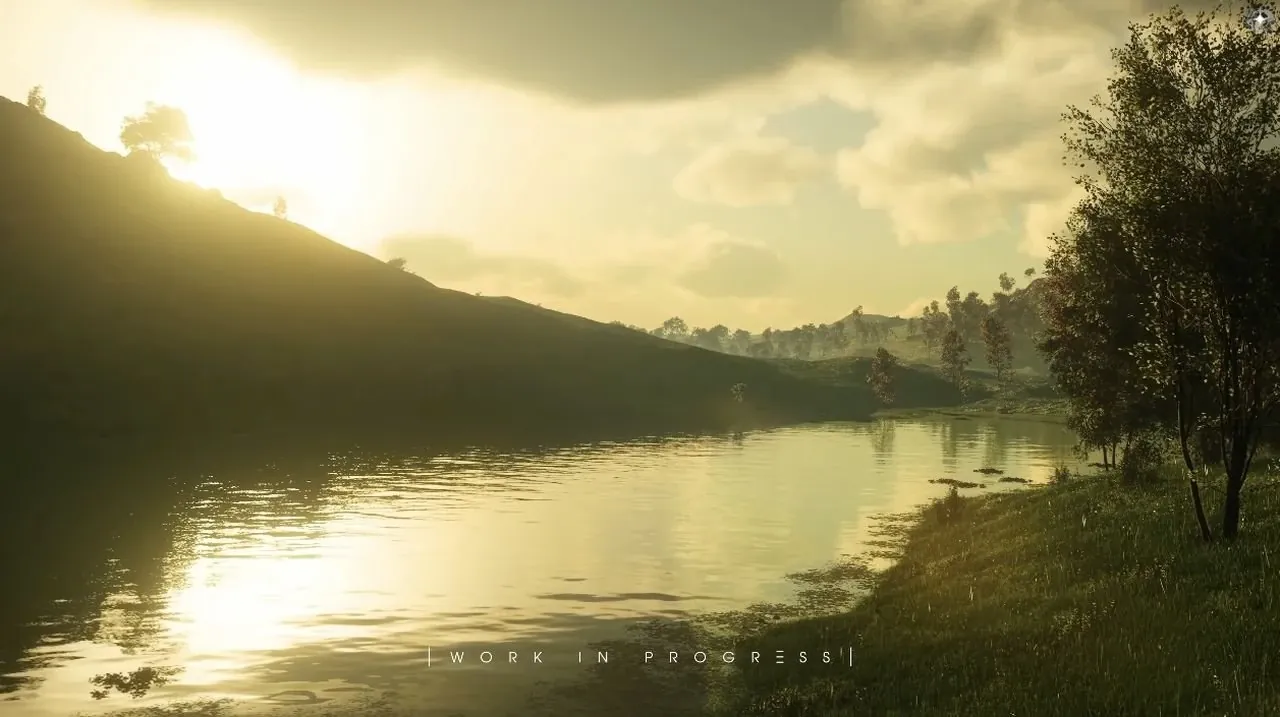 Denser planetary environments change the practical value of ships and ground vehicles. Open terrain, dense vegetation, wetlands, and steep geological features should not all be traversed in the same way. Grasslands and open terrain: Open areas can provide natural operating space for buggies, ROCs, and hoverbikes. Ground vehicles may be useful for covering the distance between nearby installations, transporting equipment, or approaching a target without repeatedly taking off and landing a ship. Forests and dense canopy: Trees, undergrowth, uneven terrain, and restricted sightlines can impede ground vehicles and make navigation more demanding. Small craft may have an advantage where suitable landing areas exist, while infantry may be more practical in confined spaces. Swamps and wetlands: Vegetation, soft ground, and limited landing areas can complicate vehicle movement and force crews to choose routes |