Destiny 2’s Final Shape: The Sunset of a Promised Sci-Fi DreamIn the Ruinnation ethos, we chase grand, persistent worlds where large communities of friends can create unforgettable experiences together. As an MMORPG-focused organization with deep roots in World of Warcraft, Warhammer Online, Elder Scrolls Online, Star Wars: The Old Republic, and currently campaigning in Star Citizen, we have always valued scale, world-building ambition, and the ability to fight epic battles alongside hundreds of comrades. That is exactly why we watched Bungie’s Destiny franchise with high hopes. Unfortunately a failure to deliver on the high expectations set for Destiny, in part due to the pedigree of Bungie as a studio has lead to gradual apathy and disengagement with Destiny. At Ruin we are saddened to hear the news of the sunset of yet another promising intellectual property, however, we are not surprised. A slow drift from the core values that made Bungie Great are well documented and the basis for serious critique of modern Bungie. The Final Shape The final chapter. The Sunset Arrives
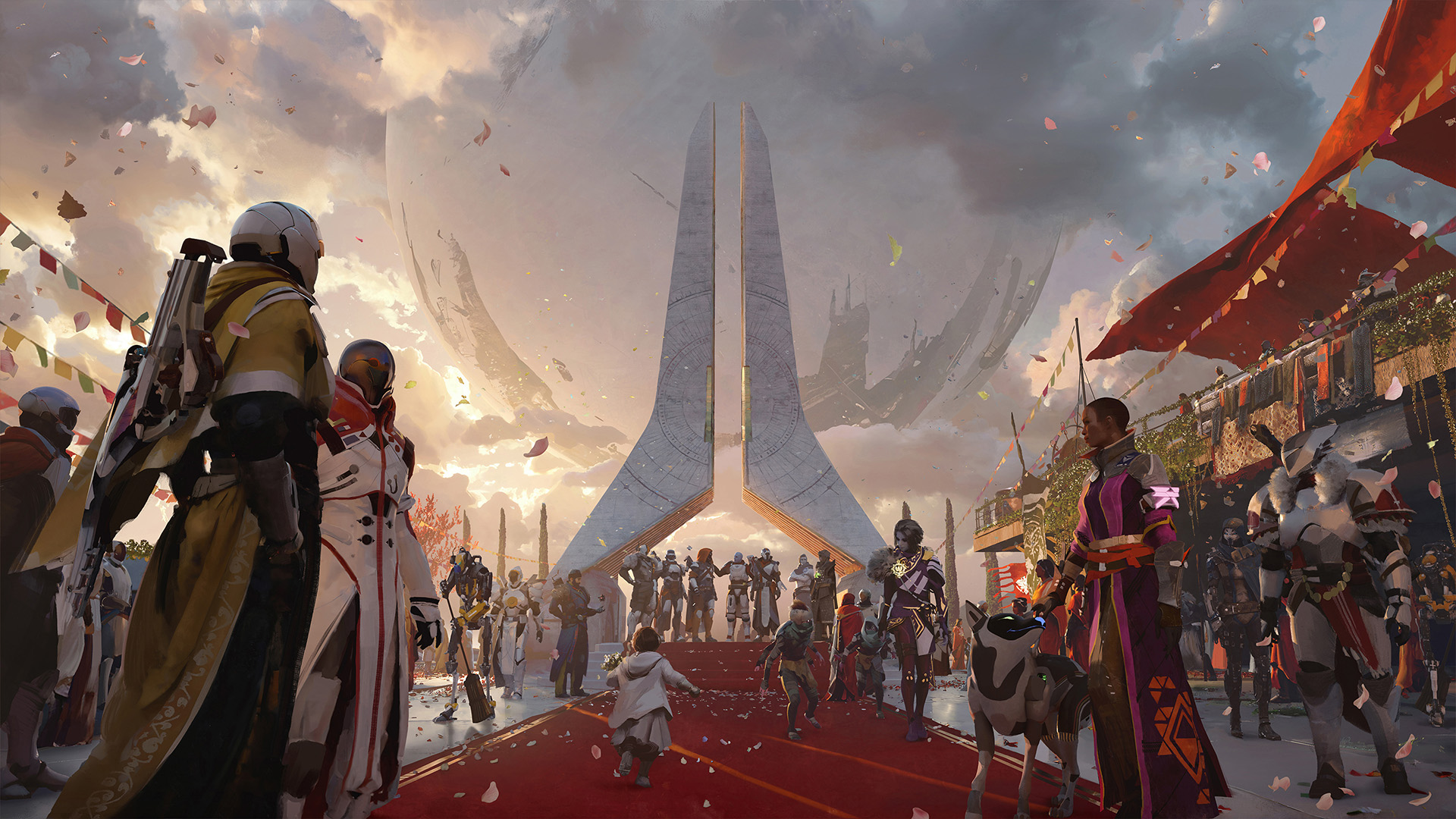
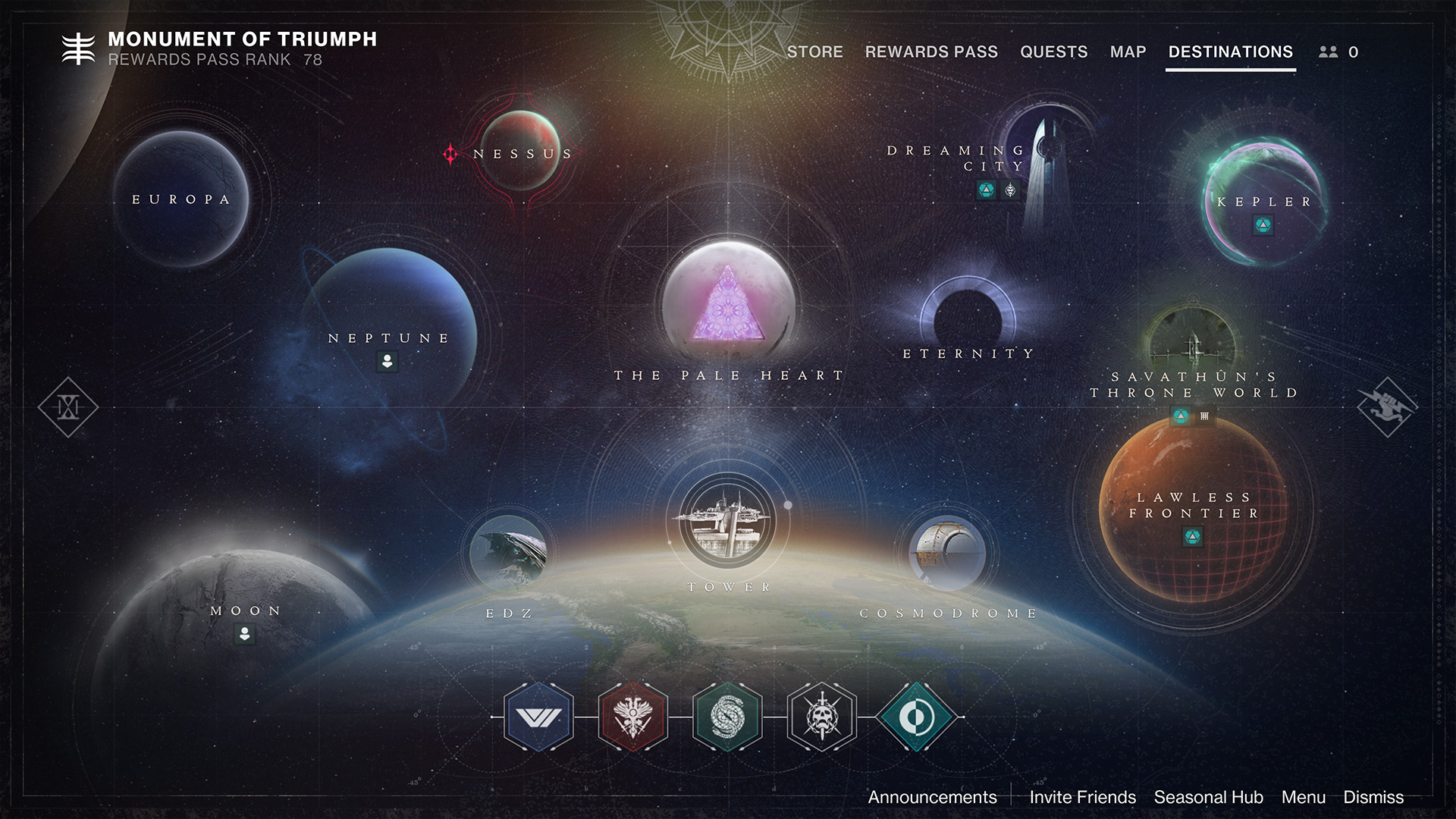
On May 21, 2026, Bungie published the blog post “Every End is a New Beginning.” After nearly a decade of live-service support for Destiny 2 (and twelve years for the broader franchise), the studio announced the end of active development. One final update — Destiny 2: Monument of Triumph — will release on June 9, 2026, after which the game enters permanent maintenance mode, much like the original Destiny. The Destiny universe will “live beyond” Destiny 2, but the era of new expansions, seasons, and evolving content is over. High Hopes for a Bungie MasterpieceWhen Bungie merged with Activision, many in the community — including Ruin — believed we would finally see the studio deliver on its legendary world-building pedigree. We expected a genre-defining hybrid: the iconic, buttery-smooth FPS gunplay Bungie is famous for, combined with true MMO-scale battles, massive open worlds, and persistent environments worthy of a sci-fi epic. Instead, what we received was a smaller, more technologically restrained experience. Raids and strikes were limited to small fireteams of 3–6 players. Destinations often felt like connected hubs rather than a seamless, living universe. Many ambitious environments were reduced to matte paintings and carefully rendered backgrounds due to clear console-era technical limitations and polygon budgets. The grand, large-scale MMO battles we hoped for never fully materialized. The Rise, The Grind, and The BurnoutDestiny 2 launched in 2017 with strong gunplay, beautiful visuals, and memorable raids that created many great memories. Expansions such as The Witch Queen (2022) and The Final Shape (2024) delivered high moments of storytelling and gameplay. The game earned billions and fostered a dedicated community. Yet the live-service model took its toll. Endless seasonal grinds, FOMO mechanics, weapon/armor sunsetting (later reversed), and aggressive Content Vaulting frustrated players who lost access to content they had paid for. In an increasingly competitive market filled with Warframe, Helldivers 2, Apex Legends, and other shooters, player retention proved difficult. Steam numbers trended downward, reaching lows in early 2026. At its core, Destiny remained a looter-shooter with MMO-lite elements rather than the true large-scale MMORPG experience many hoped Bungie could deliver. The absence of massive 10–40 player raids, persistent guild systems, and truly ambitious open-world co-op limited its ability to satisfy guilds and large communities seeking the kind of epic, shared-world battles we thrive on in titles like World of Warcraft or Star Citizen. Thematic Drift and Cultural Critiques
Many longtime players noted a stylistic shift over the years. Early Destiny featured more grounded, comprehensible enemy factions — the militaristic Red Legion Cabal, scavenger Fallen, and mysterious but patterned Vex — evoking the tangible threat of Halo’s Covenant. Later expansions leaned heavily into abstract paracausal forces, cosmic Witnesses, Veil mysteries, and philosophical lore. While this enriched the universe for dedicated lore enthusiasts, it left some feeling the game had drifted from accessible space-opera roots into denser, more esoteric territory. Culture war debates also surrounded Bungie. Reports of internal workplace issues in the early 2020s led to reforms and DEI initiatives. Critics on different sides accused the company of everything from lingering “crunch” culture to injecting modern politics into storytelling and character development. These discussions often amplified existing frustrations over narrative direction amid corporate pressures, including Sony’s 2022 acquisition. No Destiny 3 — A Sobering TransitionBungie has confirmed there are no immediate plans for Destiny 3. Studio resources are shifting toward Marathon, the extraction shooter that has struggled to meet expectations. Significant layoffs are expected after the final update. This marks a difficult chapter for a legendary developer once known for Halo. The high costs and risks of a full sequel in today’s market, combined with live-service fatigue, appear to have outweighed hopes for a numbered successor. The Ruinnation PerspectiveFrom our viewpoint, Destiny 2 represents both the potential and the pitfalls of modern live-service game development. Bungie’s world-building talent and gunplay excellence were clear, but the final product never quite escaped the technological and design constraints that kept it from becoming the genre-innovating, large-scale sci-fi MMO experience we hoped for. The constant content churn, vaulting, and small-group focus ultimately clashed with the kind of persistent, epic-scale gameplay that MMORPG communities crave. While many great moments were had with friends, the vision always felt restrained — tailored more for console limitations than for the expansive, ambitious universe Bungie was capable of creating. Now, as Destiny 2 receives its victory lap with Monument of Triumph, the game enters preservation mode. Its legacy of excellent gunplay and memorable raids will endure, even as the live chapter closes. This is the ruin cycle we often document: grand ambitions meet technical, economic, and design realities. Some dreams are fully realized. Others are partially fulfilled and then preserved for what they were. The classics were built different. Even they eventually face their Final Shape — and sometimes, from that ending, new beginnings emerge. Ruinnation.com – Documenting the rise, fall, and occasional resurrection of gaming’s greatest ruins. |