The Microsoft Era of Blizzard and Bethesda: Iteration Without Revolution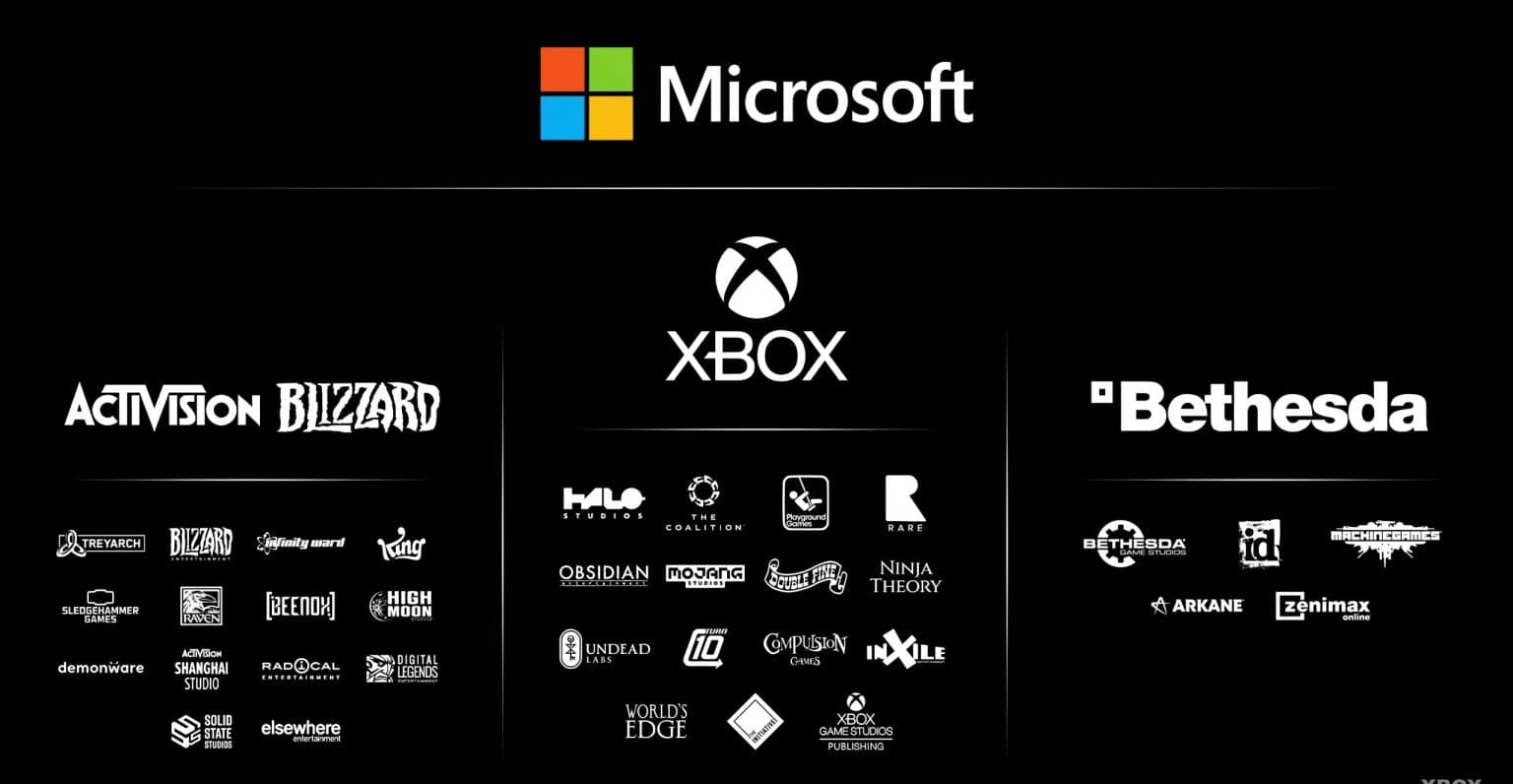
Special Focus on The Elder Scrolls Online and World of WarcraftWhen Microsoft completed its $75.4 billion acquisition of Activision Blizzard in October 2023, many hoped for a bold new chapter. With Bethesda already under Microsoft’s wing since 2021, the stage seemed set for major modernization, engine overhauls, and genre-pushing innovation in their flagship MMOs. Now, in April 2026, the reality is clearer: the Microsoft era has brought stability, consistent content, and smart iteration — but little of the revolutionary spirit that once defined these franchises.
ESO: From Annual Chapters to Seasons — More of the Same, Just FasterZeniMax Online Studios’ biggest structural shift under Microsoft has been the transition from yearly paid Chapters to a Seasons model. Season Zero: Dawn and Dusk (April–July 2026) delivers frequent updates including the Night Market event zone, Tamriel Tomes battle-pass, class refreshes, PvP improvements, and quality-of-life features. While the increased cadence is welcome, the content itself largely follows familiar patterns: new story zones, extended lore, system tweaks, and incremental improvements. Gold Road’s Scribing system remains relevant, but there has been no significant engine modernization. ESO continues running on its aging custom engine with only minor visual and performance polishing. Major next-gen leaps in graphics, audio immersion, or gameplay systems have yet to materialize.
World of Warcraft: Midnight and the Worldsoul Saga — Polished EvolutionBlizzard’s first major post-acquisition expansion, World of Warcraft: Midnight (launched March 2, 2026), continues the Worldsoul Saga with a level cap increase to 90 and a Void invasion focused on Quel’Thalas. Players explore revitalized Eversong Woods, a rebuilt Silvermoon City, new zones like Zul’Aman and Harandar, and the hostile Voidstorm. New additions include Apex Talents, full player housing, the Prey hunting system, a new 40v40 battleground, a new Demon Hunter specialization (Devourer), major UI improvements, and class combat redesigns. The expansion is well-crafted and nostalgic, but it represents refinement rather than reinvention. The core gameplay loop — questing, dungeons, raids, Mythic+ — remains fundamentally unchanged from the past decade. Despite nice quality-of-life wins, there has been no dramatic engine upgrade or generational leap in visuals and audio.
The Bigger Picture: Content Without the Epic LeapCompare today’s approach to the genre’s early days. The original World of Warcraft represented a massive leap from EverQuest — graphically superior, with narrative-driven quests replacing mob grinding, plus instanced dungeons, structured raiding, battlegrounds, and open-world PvP objectives. It fundamentally changed how MMOs operated. In the Microsoft era, both ESO and WoW excel at: - Frequent content drops and zone expansions
- Story continuation and system iteration
- Player retention through seasons and quality-of-life updates
What they have largely avoided is high-risk innovation or the kind of bold modernization these aging titles desperately need — true next-gen engines, revolutionary audio/visual experiences, or fundamental gameplay paradigm shifts.
RUIN Gaming’s PerspectiveFor RUIN Gaming, this era reinforces our decision to archive our legacy campaigns in ESO and WoW with pride while shifting primary focus toward Star Citizen and next-generation multiplayer experiences. These games remain cultural treasures — vast, living worlds filled with rich history and community. Their continued evolution ensures that new and returning players can still enjoy meaningful adventures in Tamriel and Azeroth. However, the Microsoft era has so far been defined by excellent stewardship and iteration rather than the visionary disruption that once made Blizzard and Bethesda industry leaders. The maps grow larger. The stories continue. The legacy endures — one carefully crafted season and expansion at a time. The question remains: Will the next few years finally bring the engine upgrades, audio-visual revolutions, and genre-pushing innovations these legendary MMOs still deserve?
Written by RUIN Gaming • April 2026 |